If you own a Whirlpool washing machine and notice that it is not cooling properly during or after a wash cycle, you are facing a common issue that can disrupt your laundry routine. This guide will help you troubleshoot and resolve the Whirlpool washer not cooling problem effectively and safely.
Safety First
- Always unplug your washer from the electrical outlet before starting any repair or inspection to avoid electric shock.
- Wear protective gloves to prevent cuts or scrapes when handling parts inside the washer.
- Work in a well-lit area to clearly see components and avoid accidents.
- Do not attempt repairs if you feel uncomfortable or unsure; consider contacting a professional technician.
Tools & Materials
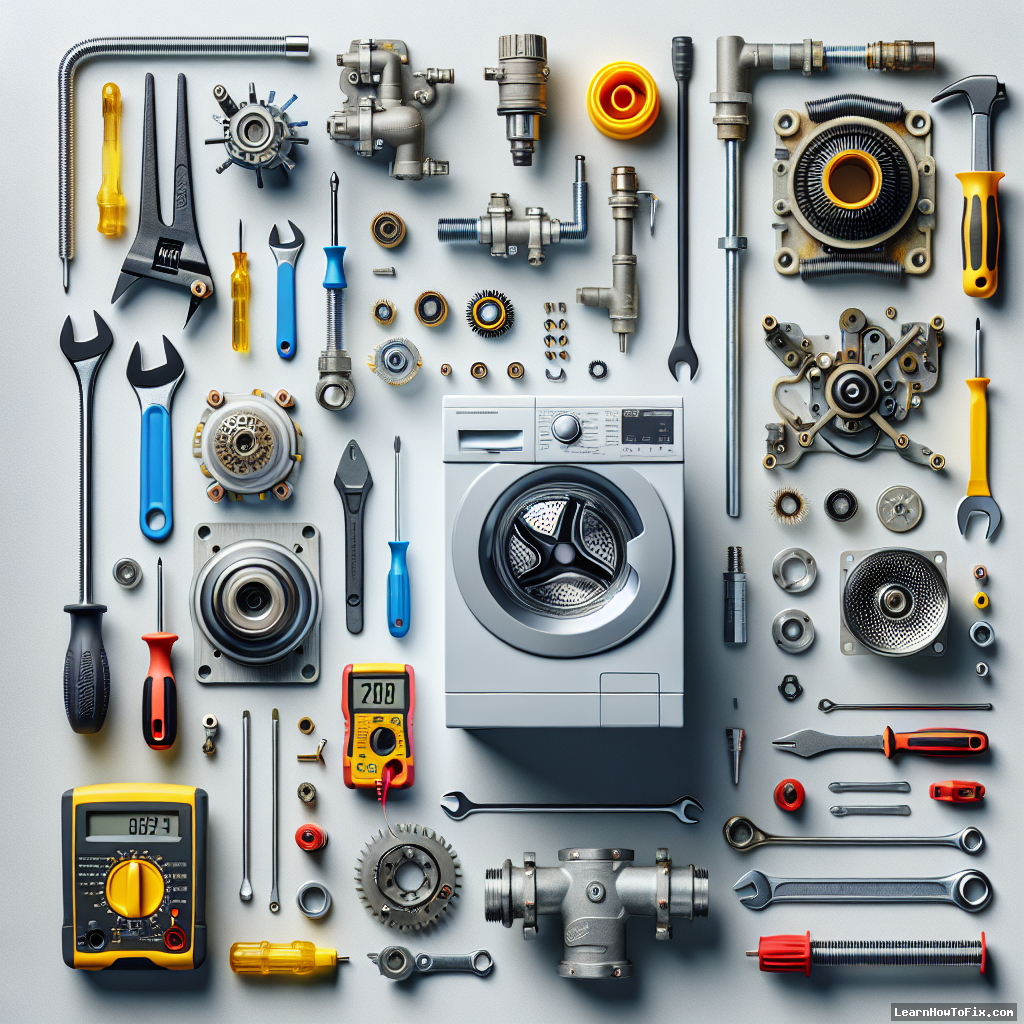
- Multimeter (for electrical testing)
- Screwdrivers (Phillips and flathead)
- Pliers
- Flashlight
- Replacement thermostat or temperature sensor (if needed)
- Cleaning cloths
- Owner’s manual or service manual for your specific Whirlpool washer model
How to Fix
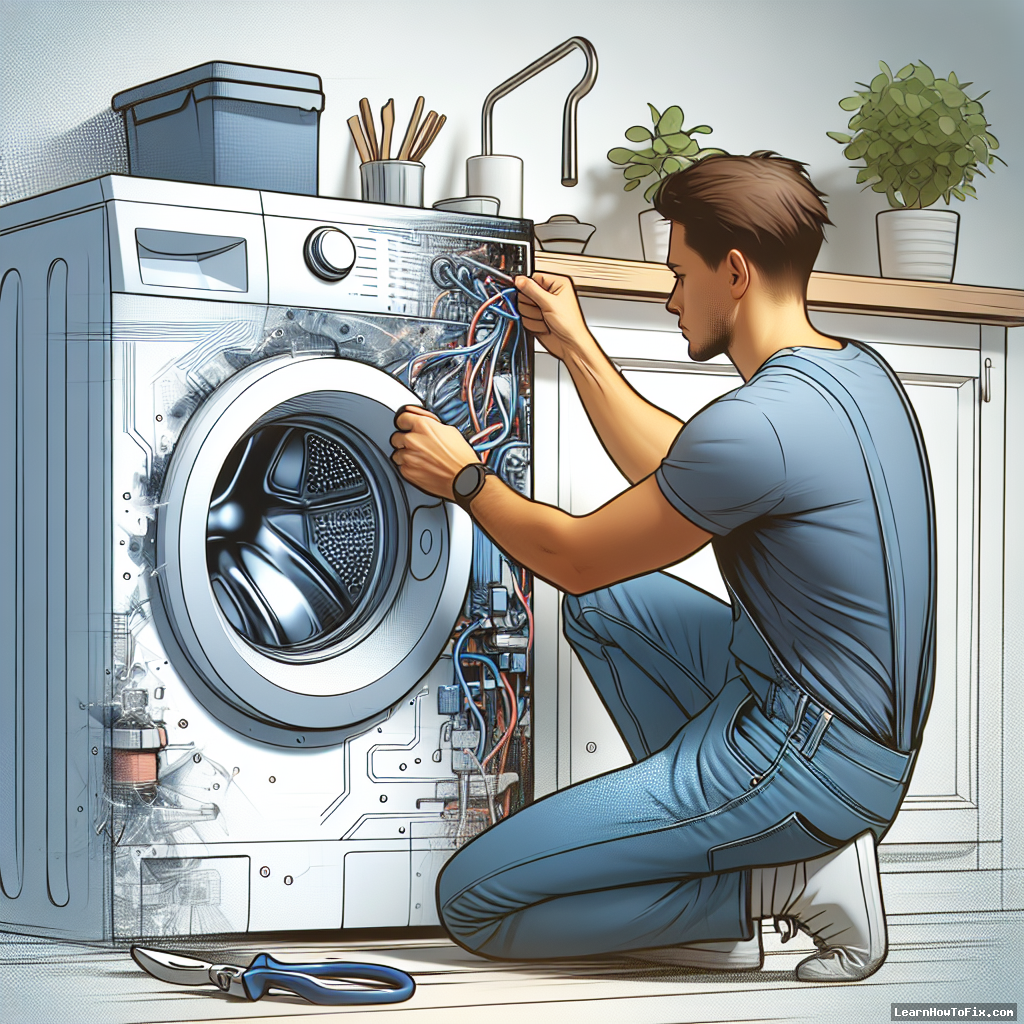
- Unplug the Washer: Ensure the washer is disconnected from power before you begin any troubleshooting.
- Check the Washer’s Cooling System: Whirlpool washers typically rely on water temperature sensors or thermostats to regulate cooling. Locate the temperature sensor or thermostat, usually found near the tub or control board.
- Inspect the Temperature Sensor or Thermostat: Use your multimeter to test for continuity. Refer to your washer’s manual for the correct resistance values. If the sensor is faulty, it will need to be replaced.
- Examine the Control Board: Look for any visible signs of damage such as burnt components or corrosion. If you suspect the control board is malfunctioning, it may require professional repair or replacement.
- Check for Blockages or Water Flow Issues: Some Whirlpool washers use water flow to help regulate temperature. Ensure hoses and valves are clear and functioning properly.
- Clean the Washer: Sometimes, residue buildup can affect sensor performance. Wipe down accessible parts and clean any lint or debris.
- Run a Test Cycle: After checking and repairing components, plug the washer back in and run a test cycle to verify if the cooling issue is resolved.
- Seek Professional Help if Needed: If the problem persists after these steps, contact Whirlpool customer support or a certified appliance repair technician.
Prevention Tips
- Regularly clean your washer’s interior and exterior to prevent buildup that can affect sensors and components.
- Use the correct amount of detergent to avoid residue that may interfere with the washer’s operation.
- Inspect hoses and connections periodically for leaks or blockages.
- Refer to your Whirlpool washer’s manual for recommended maintenance schedules and follow them diligently.
- Avoid overloading the washer, as this can strain components and affect temperature regulation.